
USB PD vs. PPS: The Android Charging Difference That Matters
USB Power Delivery and Programmable Power Supply are related standards. Here is how they affect compatible Android phones and chargers.
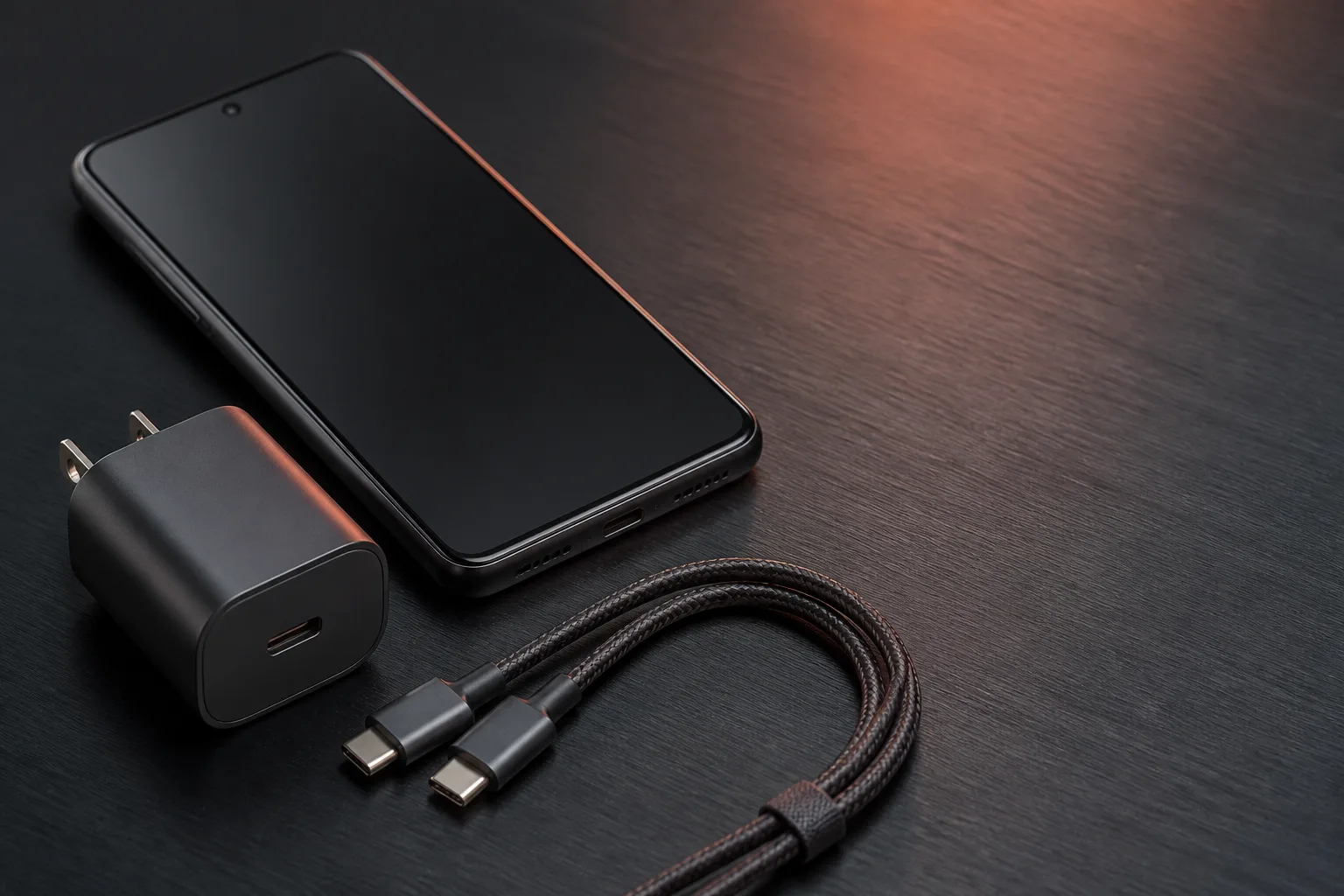
USB Power Delivery, or USB PD, is a common way for USB-C devices to negotiate power. PPS, short for Programmable Power Supply, is an optional PD capability that lets compatible devices request voltage and current in smaller adjustments.
What PPS can change
When both a phone and charger support PPS, the phone can ask for power settings that more closely match its battery’s needs. That can help a manufacturer deliver its intended fast-charging behavior under the right conditions.
What it does not guarantee
A PPS charger does not make every Android phone charge at its advertised maximum speed. The phone may use a different standard, cap the power, slow down because of temperature, or need a cable with a suitable rating.
A practical buying rule
Choose a reputable USB-C charger that supports USB PD and PPS when your phone maker lists PPS support. Then use the phone’s own maximum wired charging rating as the reference point, not the largest number on the charger box.
Related articles
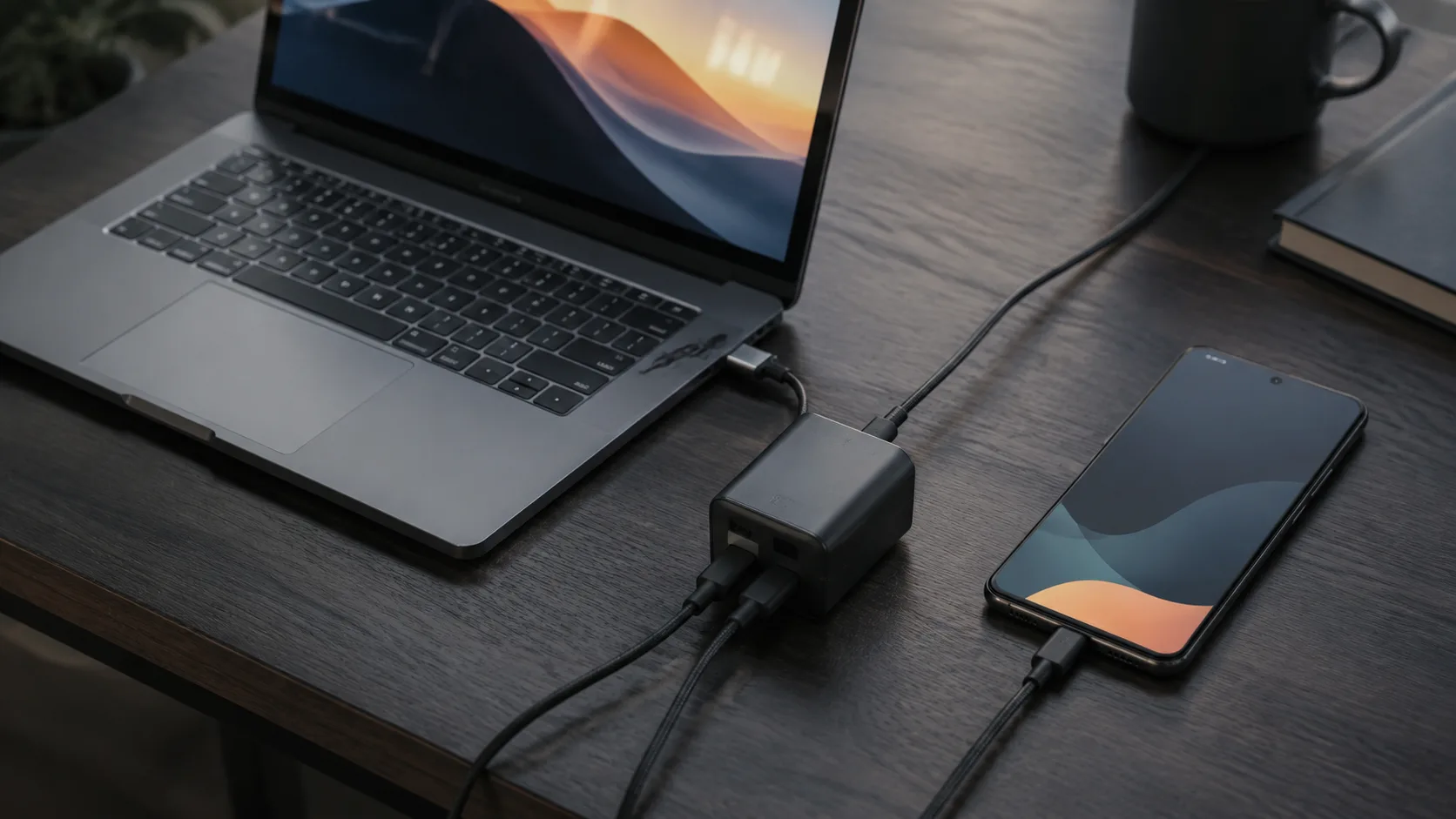
Can You Use a Laptop USB-C Charger With an Android Phone?
Check USB PD, PPS, cable ratings, and shared-port power before using a laptop charger with an Android phone. Includes label examples and a comparison procedure.
Read article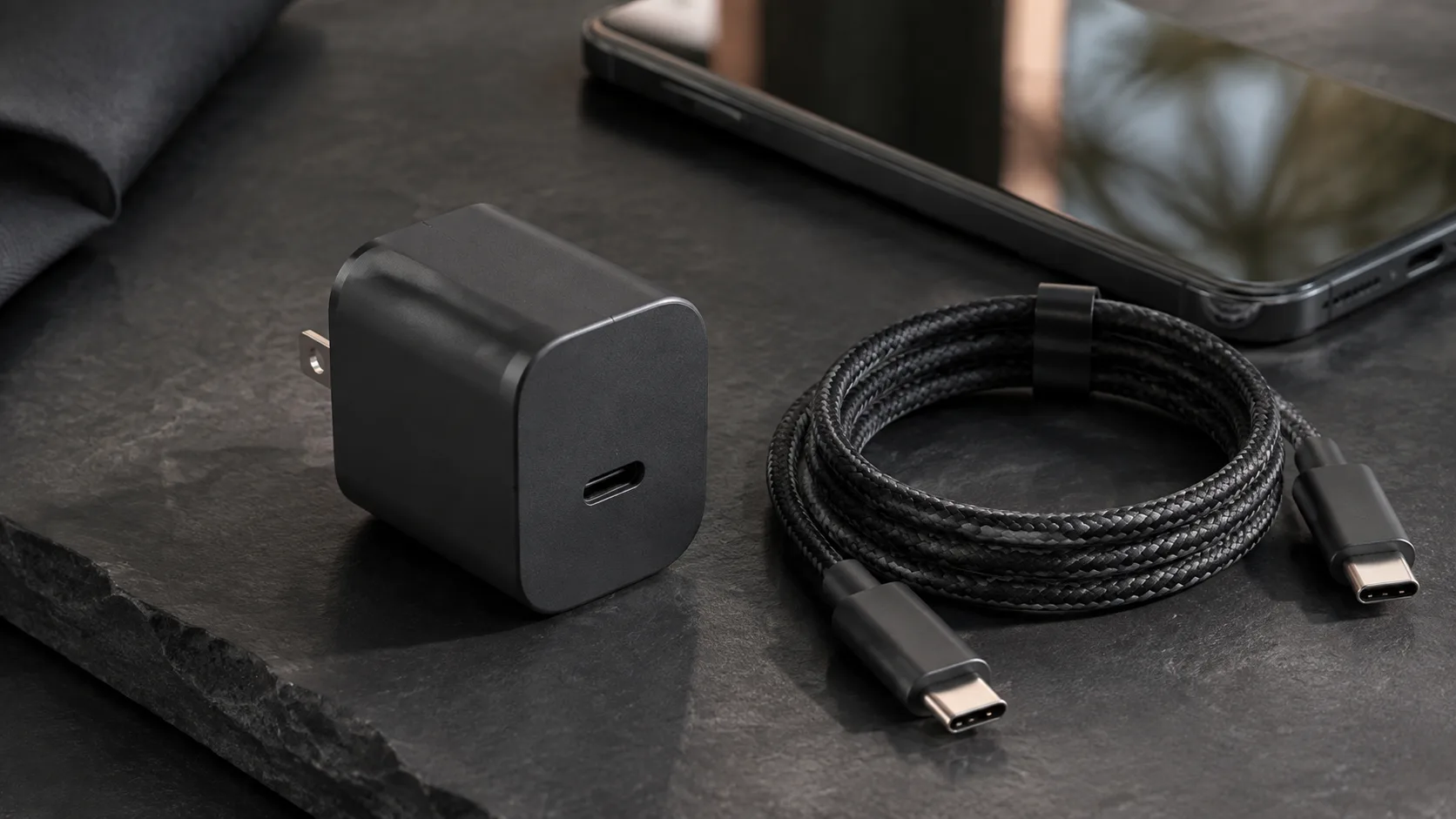
What Is a GaN Charger and Does It Work With Android?
Understand what GaN changes inside a charger, how USB PD and PPS affect Android compatibility, and how to compare shared-port power before buying.
Read article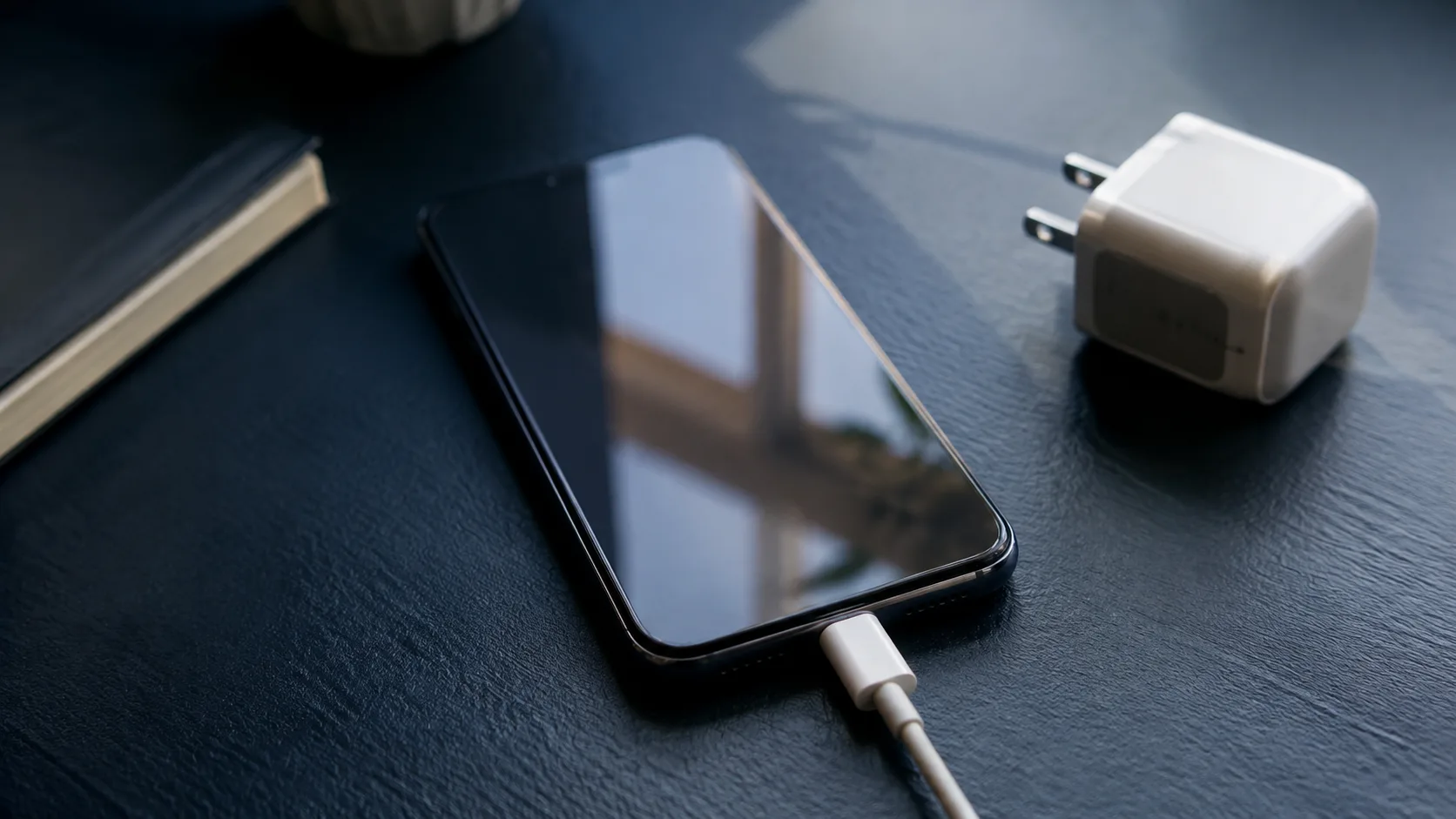
Why Is My Android Phone Charging Slowly? A Practical Check Order
Separate slow charging from battery protection, heat, cable faults, and wireless alignment problems. Follow a controlled comparison before replacing accessories.
Read article